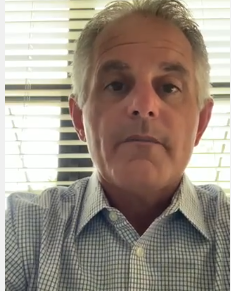

Protecting Children in the Digital World
Project Safe Net is a national initiative by the National Police Defense Foundation working with law enforcement to identify online predators, prevent exploitation, and empower families with the tools to stay safe.
for sex online
in the United States
failing to register
Our Program Pillars
Project Safe Net takes a proactive approach to protecting children by combining prevention, education, and law enforcement coordination.
Online Predator Awareness
Project Safe Net takes a proactive approach to protecting children by combining prevention, education, and law enforcement coordination.
Law Enforcement Coordination
Working alongside agencies to support investigations and bring offenders to justice.
Reporting & Reward Program
Encouraging the public to report suspicious activity with incentives tied to successful prosecutions.
Child Online Safety Education
Providing children with the knowledge and tools to safely navigate digital environments.
Parent Awareness & Monitoring
Helping parents recognize warning signs and stay actively involved in their child’s online activity.
Prevention Through Education
Reducing risk through awareness, communication, and early intervention strategies.
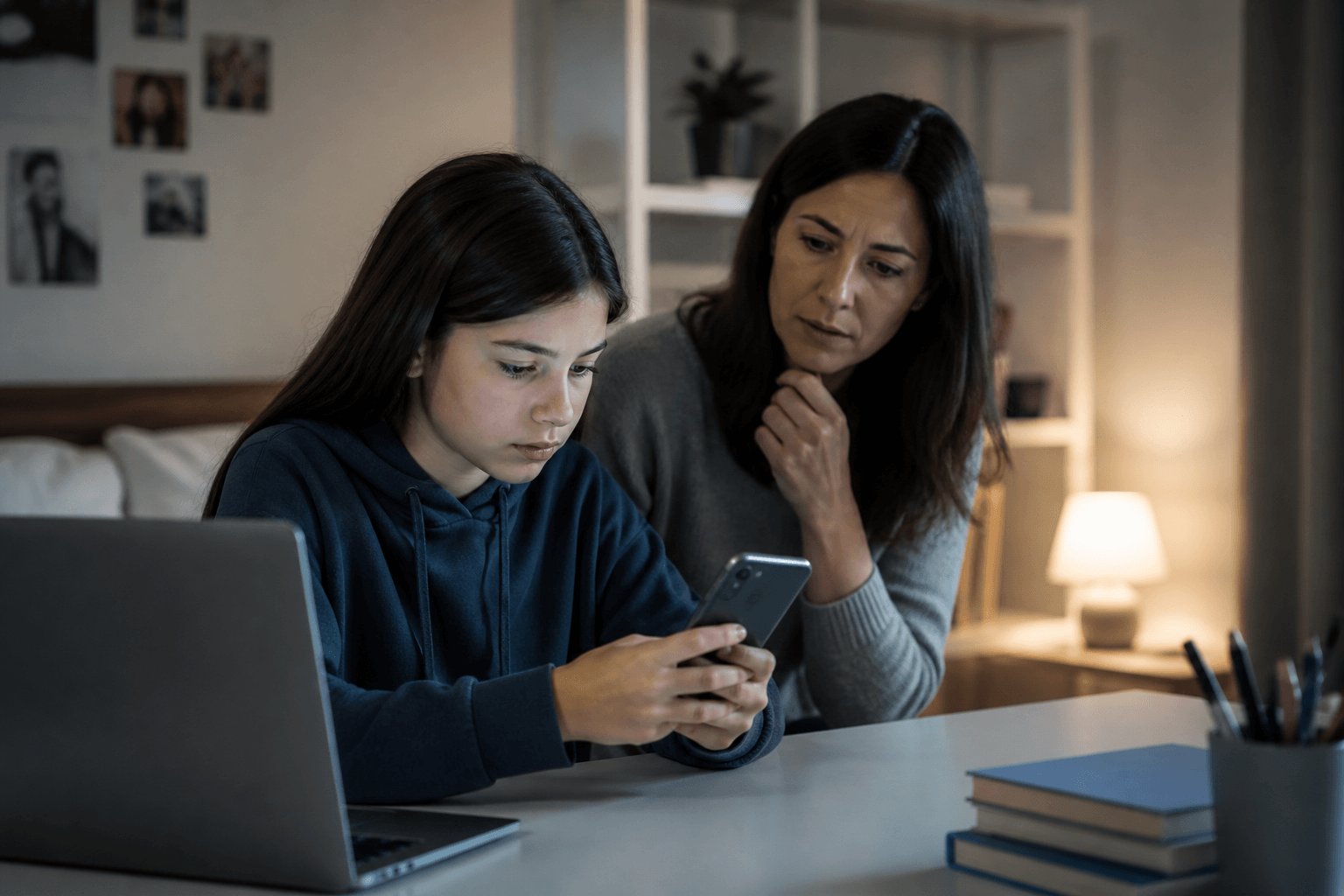
Online predators often use anonymity to pose as someone a child can trust. They target platforms such as social media, chat rooms, and online games—places where children feel safe and comfortable.
Through manipulation and deception, predators build relationships over time, often without immediate warning signs. Many children do not realize they are interacting with an adult until the situation becomes dangerous.
Project Safe Net works to expose these tactics and equip families with the knowledge needed to recognize and prevent them.
Common Tactics Include:
- Pretending to be a peer
- Encouraging secrecy
- Moving conversations to private platforms
- Requesting personal information or photos
Online Safety Guidelines
Simple steps children and parents can take to reduce risk, recognize warning signs, and respond quickly when something feels wrong.
- Never meet in person with someone you met online
- Never share your location, school, or daily plans
- Never send photos to someone you do not know
- Never respond to messages that feel uncomfortable
- Always tell a trusted adult if something feels wrong
- Keep devices in shared family spaces when possible
- Know which apps and platforms your child uses
- Review privacy settings and friend lists regularly
- Encourage open conversations without blame or shame
- Report concerning behavior to the proper authorities
Help Protect Children Online
Your support helps Project Safe Net educate families, encourage reporting, and work alongside law enforcement to protect children from online exploitation.
Help fund awareness, prevention, and child protection efforts.
Share concerning online behavior with the proper authorities.
Help parents and guardians learn how to protect children online.